All Categories
Featured
Table of Contents
Smart Logistics for Relocating To your new home in 2026
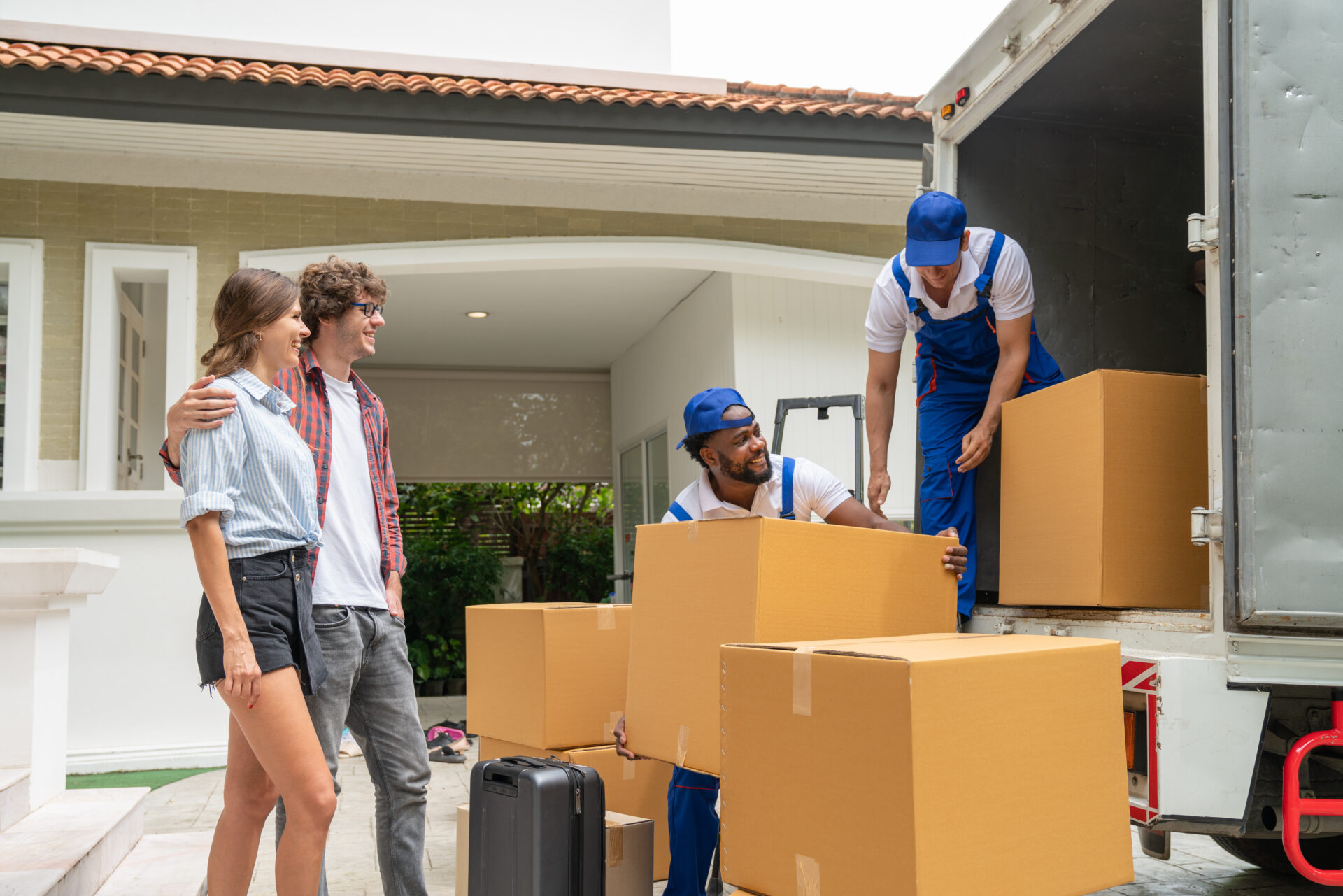
Long-distance relocations in 2026 need a greater level of technical oversight than in previous years. Families and individuals moving across state lines or throughout the nation now deal with various fuel regulations and traffic patterns that need exact timing. Getting a home from one point to another involves a series of interlocking actions, from initial sorting to final unloading. Success depends upon a strategy that accounts for variables such as weather, roadway building and construction, and the particular requirements of the location.
Modern efficiency starts with information. Most top-level moving operations now use real-time tracking to make sure that properties stay on schedule. This exposure helps locals preparing a relocate to a new state stay upgraded on where their personal belongings are at any offered hour. This shift towards transparency lowers the tension normally connected with long-haul transit. When people can see their property carrying on a digital map, the uncertainty of the procedure fades. The increasing costs of transportation have actually pressed numerous households toward better alternatives for Residential Relocation.
Digital inventory systems have replaced the old-fashioned clipboard and paper lists. In 2026, numerous experts use QR codes or RFID tags for each box. This system guarantees that nothing gets left behind at the origin point and everything comes to the destination. For those moving to a different region, having a digital record provides peace of mind that goes beyond basic insurance coverage. It enables an organized room-by-room check throughout the discharging stage, guaranteeing that every item is accounted for before the moving crew departs.
Inventory Precision and Digital Tracking
Stock management is the backbone of any professional relocation. In the current year, scanners and mobile apps enable the immediate logging of every furniture piece and every container. This information is stored in the cloud, available to both the motorist and the homeowner. If a box goes missing out on or is rerouted, the system flags it right away. This level of information is especially helpful when handling multi-day trips where products may be moved between lorries or kept in momentary storage.
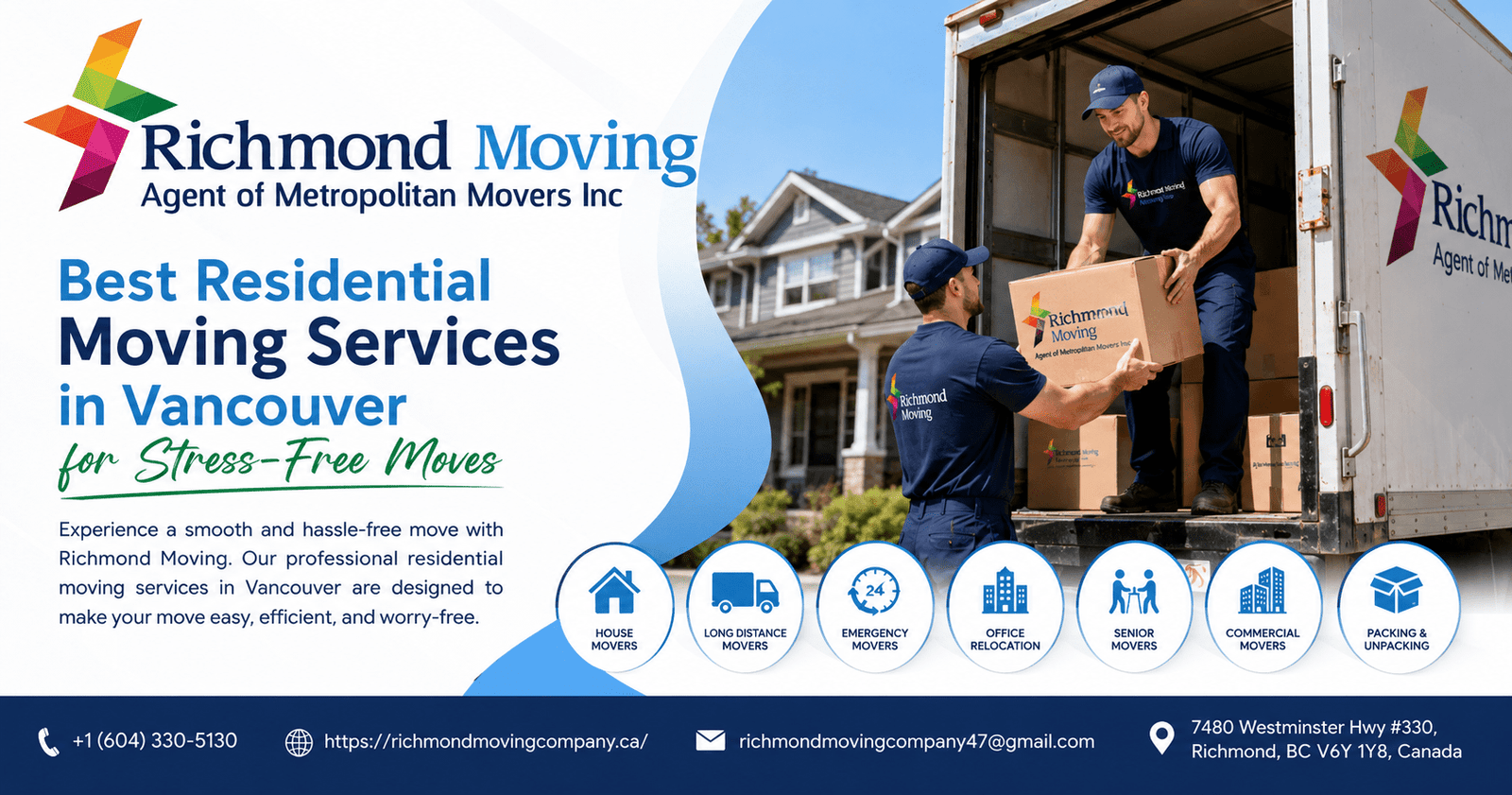
Using sustainable, high-density packaging materials likewise contributes in modern-day logistics. These products enable more items to suit a single load without running the risk of damage. High-density packing decreases the number of trips required and lowers the general carbon footprint of the move. In 2026, ecological impact is a significant factor to consider for lots of people, and these little adjustments in loading logistics have a large cumulative result. Efficient packaging is not just about space, it has to do with safeguarding the stability of the products while maximizing the energy of the transport vehicle.
Enhancing Long-Distance Routes for Performance
Traffic information in 2026 is more accurate than ever. Algorithms now determine the very best times to cross major city locations, avoiding peak blockage that might include hours to a trip. Effectiveness in movement indicates selecting a path that decreases idling and takes full advantage of fuel economy. It is a mathematical method to a physical task. For someone relocating to the local market, these optimized routes suggest a much faster delivery window and lower costs connected to chauffeur hours and fuel intake.
Coordination is another layer of the contemporary logistics design. It includes more than simply a truck and a motorist. It consists of storage facility management, regional labor scheduling, and in some cases climate-controlled storage for sensitive items like electronic devices or fine art. Those trying to find Residential Relocation in the Region often discover that early planning pays off. When the logistics are managed by experienced coordinators, the shift between homes seems like a managed process instead of a disorderly event.
Communication remains a central part of any successful move. Automated updates sent out straight to a mobile device keep the client informed throughout the week. Instead of calling a dispatch workplace to request a status upgrade, the details is pushed out instantly. This level of connection specifies the modern-day moving experience, where information streams as easily as the trucks on the highway.
Coordination with professional movers
Success in a long-distance moving often depends on the final forty-eight hours. Expert organizers recommend a deep evaluation of all manifests before the truck retreats from the initial home. Validating the floor strategy of the brand-new home in the target area helps the crew location boxes in the correct spaces immediately. This small action conserves hours of manual labor during the unpacking phase. When the team understands precisely where a 200-pound dresser belongs, they can put it as soon as and proceed to the next item.
The industry has actually moved toward a more integrated model where every part of the process is tracked and evaluated. Moving business use historic information to predict which weeks will have the most congestion or which mountain passes might be affected by seasonal weather condition. By eliminating guesswork, moving experts provide a service that is predictable and consistent. Moving in 2026 is less about manual work and more about the smart motion of items from one environment to another.
Preparation for 2026 also requires an understanding of local policies. Various states have differing guidelines for industrial lorries, and remaining compliant is needed to avoid delays. Professional logistics teams handle these details in the background, making sure that the truck moves through weigh stations and checkpoints without concern. This back-end management is what enables the front-end experience for the family to stay easy and simple. A relocate to a new neighborhood is a substantial life occasion, and correct logistics ensure it remains a positive one.
Finally, the human element still matters despite all the technology. Expert teams trained in heavy lifting and fragile product handling are the last link in the logistics chain. They utilize the data supplied to carry out the plan on the ground. When innovation and human ability interact, the result is a move that remains on budget plan and on time. Looking ahead through the rest of 2026, the trend of data-driven moving will only continue to grow, making long-distance relocation more accessible for everybody.

Table of Contents
Latest Posts
Central Logistics: Managing Massive Relocations from a Single Dashboard
Latest Posts
Central Logistics: Managing Massive Relocations from a Single Dashboard